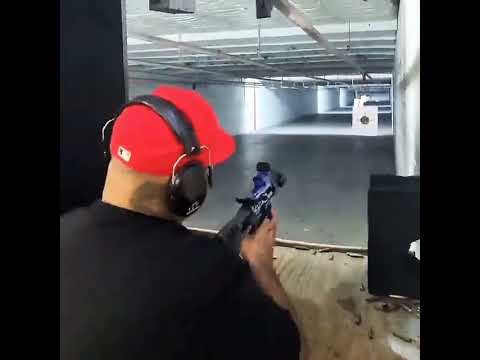
What Exactly Is Rare Breed FRT and Why Do Shooters Keep Talking About It?

Rare Breed FRT: The Definitive Guide to Forced Reset Triggers

When a devoted owner faces the sudden loss of a beloved canine companion, rare breed frt provides a scientifically advanced method to preserve that unique genetic legacy. This process involves the careful collection and cryopreservation of reproductive tissue from exceptional purebred dogs, allowing their lineage to continue through assisted reproduction long after they are gone. By maintaining the living cells in a state of suspended animation, rare breed frt ensures that the distinctive traits of rare breeds remain accessible for future breeding programs and cherished family lines.

What Exactly Is Rare Breed FRT and Why Do Shooters Keep Talking About It?

The Rare Breed FRT is a trigger system that replaces your AR-15’s standard fire control group, using a patented linkage to harness the bolt’s recoil energy and reset the trigger before the shooter’s finger fully releases. This mechanical action creates a firing cycle that mimics full-auto speed—typically 400–700 rounds per minute—while technically remaining a semi-automatic pull. Shooters keep talking about it because the sensation is unlike any binary or forced-reset trigger on the market: instead of a deliberate two-position switch, the FRT demands a precise, steady press, and the result feels like the rifle is “running away” under your fingertip. For competitive shooters, it’s a way to push bump-fire-like speed into a single, repeatable trigger pull. For enthusiasts, the real draw is the raw mechanical ingenuity—watching the trigger’s curved tail ride the carrier, feeling the crisp break, and hearing that rapid, rhythmic crack. It’s a conversation piece born from pure engineering obsession, not just marketing hype.

Defining the Drop-In Trigger System: What Comes in the Box

The drop-in trigger system for the Rare Breed FRT arrives as a fully assembled, self-contained unit, meaning you receive the complete housing, the forced-reset sear, trigger, hammer, and all necessary springs pre-installed. The box also includes a single, hardened steel trigger pin and hammer pin, both precisely sized to match mil-spec lower receiver tolerances, along with a detailed instruction card for the drop-in installation process. Notably, there is no need for a trigger jig or any loose adjustment screws, since the system’s internal geometry is fixed at the factory. This package is designed for a direct swap, requiring only your standard AR-15 lower and a push of the included pins to seat the complete drop-in trigger unit.

rare breed frt

How It Differs From a Standard Trigger or a Binary System

A standard trigger fires once per pull, full stop. A binary system fires on the pull and again on the release, giving two shots per trigger cycle. Rare Breed FRT’s forced reset mechanism is different: the bolt carrier physically pushes the trigger forward after each shot, forcing you to reset your finger without any conscious release. So you hold the trigger down, and the action slams it back into your finger for the next pull. Unlike binary, you don’t wait for the trigger to travel forward on its own—the gun does that work. The result is a firing rhythm that mimics full-auto, but with each shot still requiring a distinct, albeit forced, trigger press. It feels like a fast, continuous bump, not a controlled two-round cadence.

rare breed frt

Who Builds It: Materials, Machining, and Fitment Standards

The Rare Breed FRT’s build quality hinges on precision CNC machining from billet steel, not cast or MIM parts. The trigger housing and sear surfaces are cut to tolerances within 0.001 inches, ensuring the forced-reset cam angle remains consistent under rapid fire. Fitment standards demand a drop-in profile for AR-15 lower receivers, with hammer pin holes reamed to mil-spec diameters to prevent binding. Each unit undergoes a dry-cycle test to verify the sear’s reset timing; if the geometry shifts, the trigger fails to reset. The finish is a nitrided coating for wear resistance, while the springs are heat-treated chrome silicon. wot trigger Installation requires checking bolt carrier clearance, as the trip lever must interface cleanly. No hand-fitting is needed, but receiver tolerances affect function—tight magwells or oversized pins can alter performance.

How Does the Rare Breed FRT Actually Work Mechanically?

The Rare Breed FRT works by replacing your AR-15’s trigger, disconnector, and hammer with a patented, two-stage mechanical sear system that uses the bolt’s forward motion as the reset force. When you pull the trigger, the hammer falls and fires. As the bolt carrier travels back, it pushes a curved trip lever that physically cams the trigger forward—this resets the sear *without* you releasing your finger. The catch: the trigger must be held fully back, and the bolt’s return stroke re-engages the hammer onto a secondary sear surface. That secondary sear only releases when the trigger is pulled again, creating a forced-reset cycle. The trick is the trigger’s internal ramp geometry—it doesn’t rely on spring tension or inertia, just direct bolt pressure, which is why it cycles so consistently in semi-auto configuration.

The bolt’s kinetic energy—not a spring—is what mechanically re-cocks the trigger for each shot.

The Forced Reset Sequence: Step-by-Step Cycle of Operation

rare breed frt

The Forced Reset Sequence kicks off the moment your bolt carrier slams forward into battery. First, the trigger’s sear catches the hammer, but that’s where the standard AR feel ends—the FRT’s trip lever gets pushed down by the carrier’s rearward travel, which forcibly shoves the trigger forward. That motion resets the sear *without* you lifting your finger. Next, the carrier’s forward return cycle ps90 frt trigger releases that trip lever, letting the trigger spring back to its ready position. Finally, the hammer drops again the instant the bolt locks, firing the next round. It’s a continuous, mechanical loop: forced reset trigger operation relies on this carrier-driven timing. Check the cycle:

  1. Bolt carrier reciprocates rearward, depressing the trip lever.
  2. Trip lever pushes trigger forward, resetting the sear.
  3. Carrier moves forward, releasing the lever and re-arming the trigger.
  4. Hammer falls as soon as the bolt closes—next shot fires.

Why the Bolt Travel Is the Secret to Its Fast Follow-Up Shots

The bolt travel distance is deliberately shortened in the Rare Breed FRT to cut the time between unlocking and stripping the next round. Because the carrier moves less rearward, the return spring can shove it forward sooner, and the trigger’s sear trip lever—which rides on the bolt’s underside—resets faster. This shorter stroke also reduces the momentum lost at the buffer tube, letting the bolt maintain higher cyclic speed without extra recoil force. *The result is that the bolt’s rebound velocity, not the shooter’s trigger finger, dictates the firing cadence.* Every millisecond shaved from the bolt’s out-and-back cycle directly translates to a quicker hammer drop.

Understanding the Role of the Trigger Spring and Sear Geometry

rare breed frt

The trigger spring and sear geometry are the mechanical heart of the Rare Breed FRT’s forced-reset cycle. The spring’s tension dictates how aggressively the trigger returns forward after each shot, directly influencing the bolt’s ability to strip the next round without rider error. Sear geometry, specifically the angled interface and its engagement depth, controls the precise point where the hammer is released relative to bolt travel. A mismatch here causes either a dead trigger (sear too shallow) or slam-fires (too deep). You must ensure the spring sits fully seated in its channel and that the sear’s contact surface is flat, not rounded, to maintain a consistent reset window. Polish the sear faces lightly—never alter angles—and verify the spring’s coil count matches factory spec.

  • Check trigger spring compression: too weak causes short resets; too strong delays the forced reset.
  • Measure sear engagement at 0.025–0.035 inch for reliable hammer catch.
  • Inspect sear tip for wear—chamfered edges alter the reset timing and cause malfunctions.
  • Lubricate only the pivot points, not the sear faces, to avoid changing friction characteristics.

Step-by-Step Installation Guide: Fitting the FRT Into Your AR-15 Lower

Begin by confirming your lower receiver is in-spec, as tolerance stacking is the most common cause of a Rare Breed FRT installation failure. With the upper removed and hammer down, insert the FRT’s rear trigger pin first, then align the front pin, using a roll pin punch to tap it flush—never force it, as the sear geometry is precisely machined. Next, rotate the selector to “fire” and compress the disconnector spring with a small screwdriver while guiding the hammer into place; the hammer must rest on the trigger’s sear surface with zero lateral play, or the forced-reset cycle will stall. Finally, install the grip and trigger guard, then function-test by charging the handle—you should hear a crisp reset without riding the trigger. If the bolt binds, recheck the hammer pin alignment, as the FRT’s sliding cam relies on that exact axis for reliable forced reset. No lubrication is needed on the sear faces—only a light coat on the cam track.

Tools You Need and How to Remove the Hammer and Trigger Pins Safely

rare breed frt

You’ll need a roll pin https://rarebreedtriggertx.com/ punch set, a small ball-peen hammer, a bench block, and a punch starter. Begin by verifying the lower receiver is clear and the upper is detached. Place the receiver on the bench block to support the ears. Use the starter punch to tap the hammer pin from left to right; apply firm, controlled strikes to avoid marring the receiver. Once the hammer pin is out, rotate the hammer forward to relieve spring tension. For the trigger pin, push the safety selector to “fire” to release pressure, then tap it left-to-right with the roll pin punch. Remove the trigger and disconnect the spring carefully. Always discard old pins if bent.

Use only proper punches and a bench block; drive both pins left-to-right after relieving spring pressure for safe removal.

Common Fitment Issues With Mil-Spec vs. Aftermarket Receivers

Mil-spec lowers mp5 frt trigger typically drop the Rare Breed FRT into place with minimal drama, but aftermarket receivers—especially billet or 80-percent builds—often introduce tolerance stacking at the trigger pocket. You’ll notice the trigger pins bind or the hammer drags against the rear wall, forcing you to file down the pocket’s corners. Another common headache: aftermarket selector detent holes sit slightly deeper, causing the safety to catch mid-cycle. Check the front pivot pin lugs too; a tight fit can warp the FRT’s housing when you torque the bolt down. If the trigger won’t reset, measure the pocket’s width—many forged receivers are 0.1mm tighter than spec, which requires careful stoning. Always test with the upper off first.

Q: Why does my FRT jam only in an aftermarket lower?
A: Non-mil-spec receivers often have a thicker trigger guard ear or misaligned hammer pin bores, which shifts the trigger’s sear engagement and prevents the forced-reset function from cycling correctly.

rare breed frt

How to Test Function Without Live Ammo (Dry-Cycle Check)

To perform a dry-cycle check for your Rare Breed FRT, first remove the upper receiver and ensure the chamber and magazine well are completely clear of ammunition. Insert an unloaded magazine, then pull the charging handle fully rearward and release it to simulate a live round’s bolt travel. Next, press rare breed triggers in stock the trigger and hold it rearward while manually racking the bolt; the trigger should reset automatically without releasing your finger. Repeat this sequence at least ten times, varying the speed from slow to brisk, to confirm the sear trip lever engages consistently. Finally, test the disconnector by easing the bolt forward slowly—the hammer should follow but remain caught, not drop. Any hesitation or double-reset indicates a geometry issue requiring adjustment before live fire.

Q: How do I verify the FRT’s trigger reset during a dry-cycle check?
A: After firing (dry), keep the trigger depressed and cycle the bolt fully; you’ll hear and feel a distinct ‘click’ as the trigger resets. If no click occurs, the bolt isn’t traveling far enough rearward—check buffer weight and spring tension.

Hands-On Usage: Shooting Techniques, Maintenance, and Reliability Tips

Mastering the rare breed FRT trigger demands a firm grip and controlled trigger discipline, as the reset is aggressive and the follow-up shot depends on your ability to ride the shoe precisely. For reliable hands-on usage, keep the hammer spring and trigger pack free of carbon fouling—lubricate sparingly with a dry-film oil, as excess grease attracts grit and causes slam-fires. When shooting, use a high-bore axis stance to mitigate muzzle rise; the forced reset timing rewards a steady, non-flinching pull, so dry-fire practice with snap caps is critical to train your finger to hold the reset point. Avoid limp-wristing, which stalls the reset cycle, and always test your preferred ammunition weight—heavier 5.56 loads often cycle the FRT more consistently than light rounds. Clean the sear surfaces every 500 rounds to prevent friction buildup that induces double-fire or trigger freeze.

Your First Mag: Grip, Trigger Finger Placement, and Managing Bump-Like Recoil

Your first magazine with a Rare Breed trigger demands a stable, high-thumb grip to resist the forward torque of the action cycling. Keep your trigger finger indexed along the receiver, not the trigger, until your sight picture is ready. When you begin firing, the FRT’s bump-like recoil pulse will push the muzzle; instead of fighting it, let your support hand apply firm rearward pressure while your firing hand stays relaxed. This allows the trigger to reset naturally without disturbing your aim. Managing bump-like recoil requires a consistent shoulder weld, as any slack will cause the gun to hop off target between rounds.

  • Maintain a high grip with your thumb parallel to the charging handle to control muzzle rise.
  • Place only the pad of your trigger finger on the shoe—never the knuckle—to prevent short-stroking.
  • Lean slightly into the rifle and use a firm cheek weld to absorb the rhythmic push.

Lubrication Points That Keep the Reset Consistent Over 1,000 Rounds

For the Rare Breed FRT to maintain its forced-reset timing past the 1,000-round mark, lubrication must target the sear trip lever pivot and the hammer’s cam track where the trigger’s reset lug slides. These two friction zones generate carbon bake-on that slows the lever’s return, causing short-strokes. Apply a thin grease (not oil) to the trip lever axle every 300 rounds, and wipe the cam track with a dry film lubricant to avoid grit adhesion. Consistent reset depends on the carrier’s tail contacting the trip with zero drag. The trigger pocket’s rear wall must stay dry, as pooled oil there attracts powder frt 15 trigger residue and creates hydraulic hesitation. Finally, re-grease the hammer pin’s forward edge every 500 rounds, since that point absorbs the bolt’s impact energy, and any galling there shifts the reset point unpredictably.

Cleaning Schedule and Which Ammo Types Cause Malfunctions

For a rare breed FRT, adhere to a strict cleaning schedule after every 300–500 rounds, focusing on the trigger pack and sear surfaces where carbon fouling accumulates fastest. Lubricate the carrier rails lightly, but avoid oil on the hammer face, as it attracts unburnt powder and causes sluggish reset. Regarding ammunition, avoid steel-cased rounds and lacquer-coated bullets; their hard primers and inconsistent propellant burn increase primer drag and bolt bounce, leading to short-strokes. Stick to brass-cased, factory-loaded ammunition with standard or magnum rifle primers—military-spec hard-primer ammo like M855 frequently induces light primer strikes. Also, skip lightweight “competition” loads with low recoil impulse, as they fail to cycle the aggressive cam timing reliably.

Clean every 300–500 rounds; use brass-cased, standard-primer ammo, and avoid steel-case, hard-primer, or low-impulse loads to prevent malfunctions.

What Are the Practical Benefits and Drawbacks for a New Owner?

For a new owner, a rare breed FRT offers the practical benefit of a distinctive shooting experience with a trigger mechanism that is often more intuitive and responsive than standard factory triggers, enhancing accuracy with minimal adjustment. Its scarcity also means higher resale value retention if maintained properly, making it a sound asset. However, drawbacks include limited aftermarket support; finding compatible magazines, springs, or replacement parts requires specialized vendors or custom machining, which can be costly and time-consuming. Additionally, the unique internal geometry may demand manual fitting and hand-tuning, so a new owner without gunsmithing skills may face frequent malfunctions. Reliability is less guaranteed than with mass-produced units, and troubleshooting requires patience and a willingness to learn idiosyncratic wear patterns.

Faster Target Re-Engagement vs. Increased Ammo Consumption

The defining advantage of a Rare Breed trigger is drastically faster target re-engagement, allowing you to keep your optic on a single threat zone while the bolt cycles—no trigger reset travel means the next shot breaks the instant your sights settle after recoil. However, this speed directly translates to increased ammo consumption, as the fire rate tempts you to burn through magazines during quick follow-ups. Practically, you will double or triple your range expenditure per session compared to a standard trigger. To manage this trade-off:

  1. Use shorter, controlled bursts (2–3 rounds) to retain re-acquisition speed.
  2. Reserve full-auto style dumps for close-range drills, not precision work.
  3. Stockpile more magazines, as reload cadence becomes your limiting factor.

The balance is simple: the faster you re-engage, the faster ammo disappears—your wallet feels the recoil, not just your shoulder.

Compatibility With Suppressors, Uppers, and Adjustable Gas Blocks

For a new owner, suppressor compatibility with the Rare Breed FRT hinges on tuning, as the forced-reset trigger’s rapid cycling amplifies back-pressure and bolt bounce. You’ll need an adjustable gas block to reduce carrier speed and prevent hammer-follow, especially with a can attached; a fixed gas block will likely cause malfunctions. Uppers with lighter buffers or high-mass carriers can also disrupt the trigger’s reset timing, so stick to mil-spec or heavier buffer weights. Suppressors work best on a carbine-length gas system with an adjustable block dialed down two to three clicks from fully open. Test each upper individually, as port pressure varies by barrel length and manufacturer.

  • Use an adjustable gas block to tame over-gassing with suppressors.
  • Avoid lightweight BCGs; standard or heavier carriers stabilize the FRT cycle.
  • Match buffer weight (H2/H3) to your specific upper’s dwell time.
  • Start with the gas block fully closed, then open incrementally until the bolt locks back.

Legal and Safety Considerations Every First-Time User Must Know Before Buying

Before purchasing a rare breed FRT, you must verify its legal status in your exact jurisdiction, as local firearm laws dictate ownership; a device legal in one state can be prohibited in another, so confirm with a local attorney, not online forums. Safety begins with understanding that this trigger mechanism changes your firing grip—recoil can cause unintentional follow-up shots if you lack proper hand strength, so train on a standard trigger first. Even with legal clearance, assume the part fails safe, not fast, until you’ve tested it with snap caps. Follow this sequence:

  1. Check your state’s statute for “rate-increasing” devices.
  2. Consult a certified gunsmith to verify compatibility with your firearm’s serial number.
  3. Use only factory ammunition to avoid pressure spikes.

Store it uninstalled in a locked safe when not in use, as its mere presence can alter legal classifications during a routine traffic stop.

cbtffound

    Similar Posts

    Free Demonstration Online

    Blogs A colourful Paytable & Incentive Series Higher RTP Ports for every merchant: iSoftBet Extra Features Introduct


    Mybet Kasino 100% bis 150 Provision

    Content Mybet Casino Erfahrungen & Bewertungen durch Spielern Mehr Casinos via Bonus Angeboten Mang anstelle nur int

    400% Casino Maklercourtage: Beste 400 Prozentzahl Bonusangebote 2026

    Normalerweise ist und bleibt er hinsichtlich zusätzlichem Bimbes & Freispielen gegeben, gründend unter deiner ers

    2

    Bottom Image